· 4 min read
How a Lost Freelance Gig Became My Own Card Games Platform
I built a Cribbage demo for someone else's site and lost the deal. So I started my own card games platform during my MSc, on free tiers and about £10 a month.
cardgameshub.io started as a Cribbage demo I built for someone else. They never used it. They chose to embed another company's games instead, and I decided to build my own platform. I did it in the last months of my MSc, in the free hours around my dissertation, for the price of a domain and about £10 a month.
Today it has five games, live multiplayer and six languages. This post is how it began: the demo, the deal that fell through, the break and the restart, and what starting with no team and no budget taught me.
A Cribbage demo for someone else's site
It began with a request: someone was looking for a developer to build Cribbage that looked and played like the best-known card games site. I've always loved card games because they're social and fun, but that wasn't why I said yes. It was a clear brief with a high bar.
So I studied how that site renders its cards so well. Then I built my own Cribbage from scratch, with my own card art and assets.
Why WebGL game engines made the cards look bad
My first attempts used web game engines, because games are what I'd built before. They draw everything through WebGL, and for a card game that was the wrong fit:
- The cards were blurry. Card faces need sharp text and lines, and they didn't get them.
- No SVG. I couldn't use crisp vector card art, which a card game needs at every screen size.
A card game isn't a 3D world. It's a table of sharp, flat shapes. Once I stopped treating it like a game engine problem and built it the way the best card sites do, the cards looked right. The demo took about two weeks.
When the deal fell through
I showed the demo, and we never reached an agreement. Later I saw why: they'd gone with a provider that already had these games and embedded them on their site, instead of building their own.
That could have been the end of it. But I had a working Cribbage game, and a question I couldn't let go: why not build my own platform?
What other card game sites were missing
Before I started, I did a market and competitor analysis: which sites players use and what those sites do well. I saw a lot that could be improved, and an idea to make my platform different and more fun.
So I planned it around features the others didn't offer:
| Feature | What it adds |
|---|---|
| A blog | Something to read beyond the game itself |
| Personalisation | Accounts, personal stats and settings |
| Leaderboards | Something to compete for |
| Coins, rewards and missions | A reason to come back tomorrow |
The first rule was to match the leaders on how the games look and play. My own features came second, as the reason to switch.
Building it in the gaps of a master's degree
I built the first version as a side project while writing my MSc dissertation, slowly, in my free time. There was no team and no budget, so every choice had to be cheap to run and quick to change.
| Cost | Amount |
|---|---|
| Domain | about £40 a year |
| Hosting and database | free tiers |
| Cloud services | about £10 a month at most |
In the first two months it went from an empty site to Cribbage embedded and playable, an app you can install and play offline, Google sign-in, and personal Cribbage stats.
A break, then a restart
After my master's, other priorities came first, and the project waited.
When I came back, I started by tidying up. Cribbage and the site had lived in separate repositories; as the only developer, I moved them into one monorepo, which was much easier to manage. Then it moved faster than before. In the next three months I added Sudoku, a new Solitaire, FreeCell, Spider Solitaire, member accounts, a blog, six languages and a multiplayer server. Most of the platform as it is today was built after the break.
Where cardgameshub.io is today
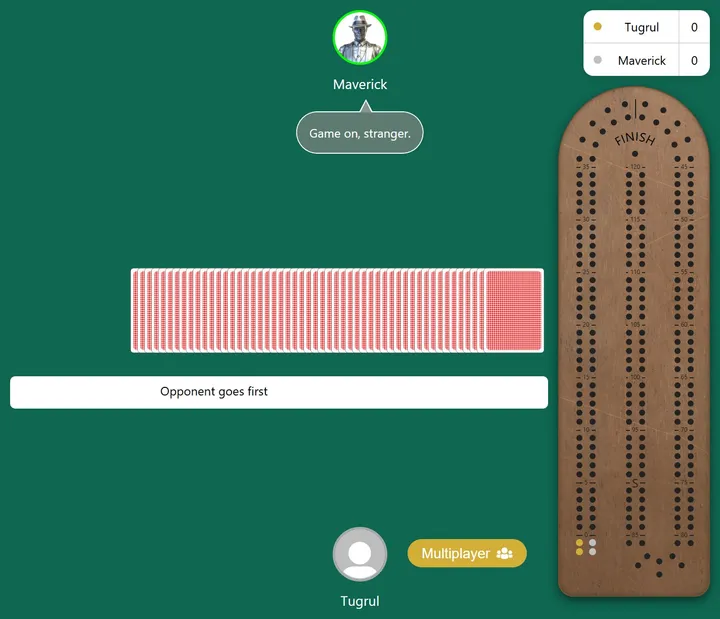
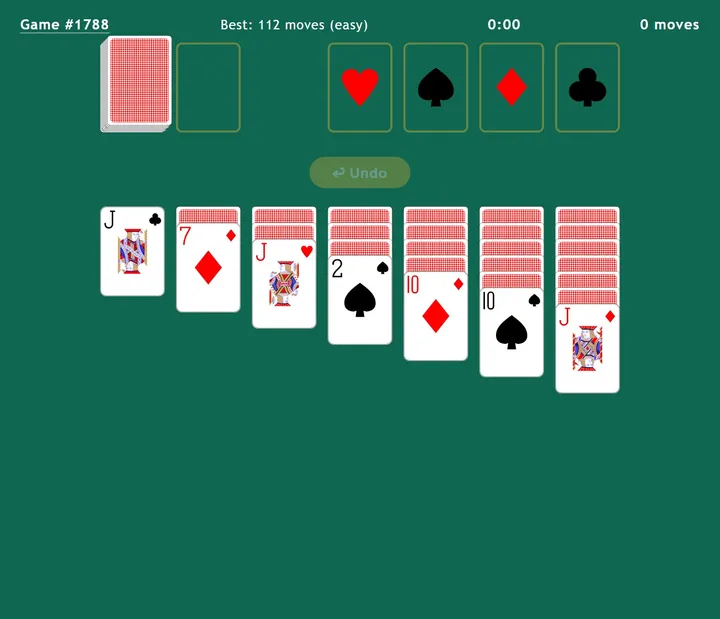
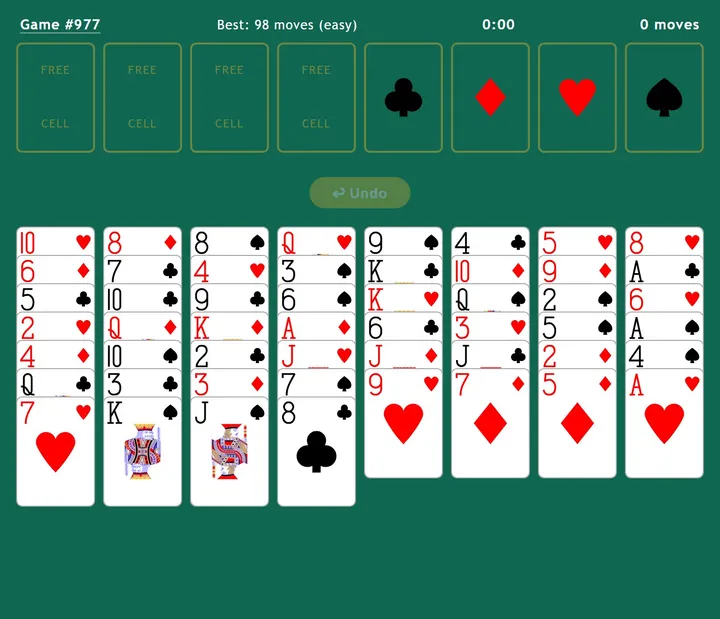
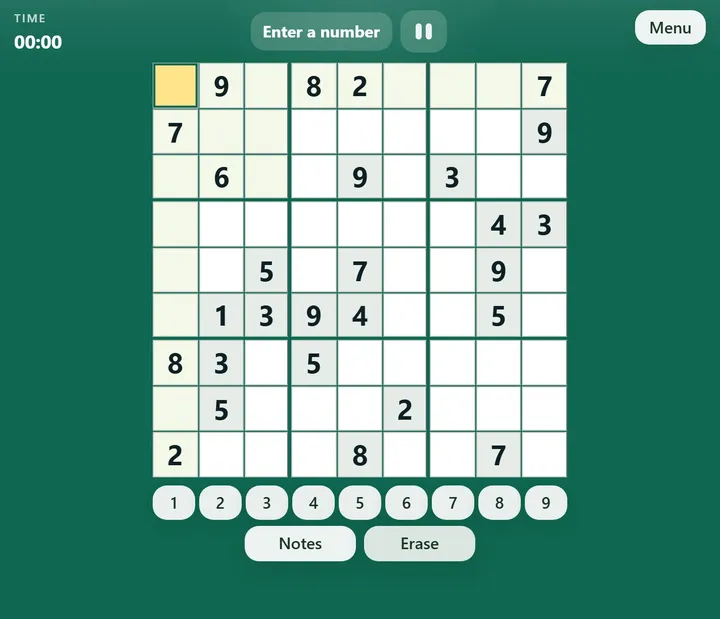
The site now has five games: Cribbage, Solitaire, Spider Solitaire, FreeCell and Sudoku. Cribbage has live multiplayer, so you can play a real person instead of the computer. Cribbage, FreeCell and Sudoku have stats pages. The whole site is in English, Spanish, German, French, Polish and Turkish.
- Cribbage
- Solitaire
- FreeCell
- Sudoku
Leaderboards, coins, rewards and missions are on the way. It's the same plan as on day one, built step by step. It's one of my selected projects.
What starting small taught me
- A rejected demo is still a finished product. The deal fell through, but the game was real, and it became the first game on my own site.
- You don't need a budget to start. One domain and free tiers were enough to launch, and it still costs very little to run.
- Slow progress counts. The project sat untouched for a while and came back stronger. A pause isn't the end.
- Matching the leaders is the entry ticket. Players won't switch for features if the cards look worse. Quality first, then your own reasons to switch.
It's still a side project and I'm still building it slowly. If you like card games, play a game of Cribbage. If you're starting your own side project, I've written about building this portfolio like a product next to a full-time job.